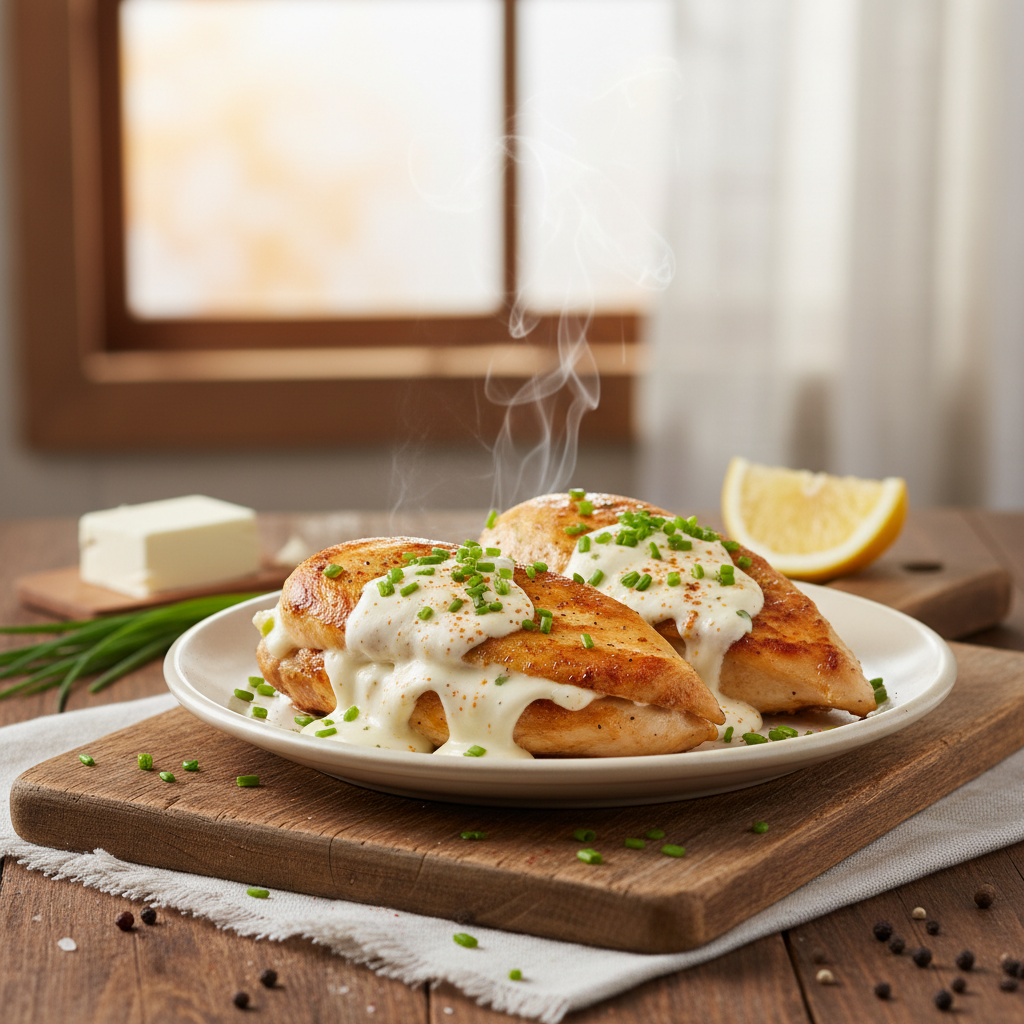
The Allure of Chicken with Cream Cheese
Chicken and cream cheese might sound like an unlikely pairing to the uninitiated, but for those who have experienced its culinary delights, it’s a match made in gastronomic heaven. This versatile combination offers a rich tapestry of flavors and textures, making it a staple in various cuisines and a beloved dish for home cooks and professional chefs alike. The creamy tang of cream cheese beautifully complements the savory succulence of chicken, creating a dish that is both comforting and sophisticated. Its adaptability allows for a multitude of preparations, from simple weeknight dinners to elaborate holiday feasts.
One of the primary reasons for its enduring popularity lies in the inherent creaminess that cream cheese brings to the table. When melted, it transforms into a luxurious sauce that coats every piece of chicken, infusing it with a velvety richness. This not only enhances the flavor but also adds a delightful mouthfeel, making each bite an indulgent experience. Furthermore, cream cheese acts as an excellent binding agent, helping to hold together stuffing, form cohesive patties, or create a thick, luscious sauce that clings perfectly to pasta or rice. Its mild yet distinctive flavor profile ensures it doesn’t overpower the chicken, instead, it elevates it, creating a harmonious balance that is both satisfying and intriguing.
Beyond its textural contributions, cream cheese offers a subtle tang that cuts through the richness of the chicken, preventing the dish from becoming too heavy or cloying. This acidity brightens the overall flavor profile, adding a layer of complexity that keeps the palate engaged. This interplay between richness and tang is a hallmark of many successful dishes, and chicken with cream cheese executes it flawlessly. Whether you’re using plain cream cheese or one infused with herbs and spices, the underlying acidity remains a crucial component in balancing the flavors.
The culinary possibilities are vast. Imagine tender chicken breasts stuffed with a mixture of cream cheese, spinach, and sun-dried tomatoes, then baked until golden. Or perhaps shredded chicken mixed with cream cheese, buffalo sauce, and cheddar, bubbling hot in a dip served with crispy tortilla chips. For a heartier meal, consider a creamy chicken and pasta bake, where the cream cheese melts into a glorious sauce, binding the pasta and chicken together. Even simpler preparations, like pan-seared chicken cutlets topped with a dollop of herbed cream cheese, offer an incredible burst of flavor and texture.
The ease of preparation is another significant draw. Cream cheese is a forgiving ingredient, melting smoothly and incorporating well into various recipes. It doesn’t curdle easily and provides a stable base for sauces and fillings. This makes chicken with cream cheese an accessible dish for cooks of all skill levels, allowing them to create delicious and impressive meals without extensive culinary expertise. Its versatility extends to its ability to be paired with a wide array of other ingredients, from vegetables like broccoli and mushrooms to aromatic herbs such as thyme and rosemary, and even bold spices like paprika and cayenne pepper. This allows for endless customization, ensuring that no two chicken with cream cheese dishes need to be exactly alike.
Mastering the Cream Cheese Element
To truly elevate your chicken with cream cheese dishes, understanding the nuances of the cream cheese element is paramount. Not all cream cheese is created equal, and the type you choose can significantly impact the final outcome. For most savory applications, full-fat cream cheese is recommended. Its higher fat content contributes to a richer, creamier texture and a more luxurious mouthfeel when melted. Low-fat or fat-free versions, while a healthier alternative, may result in a thinner sauce or a less satisfying creamy texture. They can also sometimes have a slightly less pronounced flavor, which might necessitate additional seasoning.
Temperature is another crucial factor. Cold cream cheese is firm and difficult to work with, especially when trying to mix it into a sauce or spread it evenly. Always allow cream cheese to come to room temperature before incorporating it into your recipes, especially if you’re making a smooth sauce or a cohesive filling. This softens the cream cheese, making it much easier to whisk, stir, and blend seamlessly with other ingredients, preventing lumps and ensuring a uniform texture. A quick trick for softening cream cheese is to unwrap it and microwave it on a low setting for 15-30 seconds, being careful not to melt it completely.
Beyond plain cream cheese, the world of flavored cream cheese offers an exciting avenue for culinary exploration. Herb and garlic cream cheese, for instance, can instantly infuse your chicken dish with aromatic complexity, eliminating the need for additional fresh herbs or minced garlic. Chive and onion cream cheese adds a delightful savory bite, while a cream cheese blended with a hint of jalapeño can introduce a welcome kick of heat. Experimenting with these pre-flavored options can be a time-saver and a flavor booster, adding depth with minimal effort. Alternatively, you can easily create your own flavored cream cheese by blending plain cream cheese with fresh herbs, spices, grated cheese, or even finely chopped vegetables.
When creating sauces, consider how the cream cheese will interact with other liquids. For a thinner sauce, you might add chicken broth, milk, or even white wine. For a thicker, more robust sauce, reduce the amount of liquid or allow the sauce to simmer longer, enabling the cream cheese to thicken naturally. Always add cream cheese gradually to hot liquids, stirring constantly, to prevent it from separating or becoming lumpy. This slow integration allows the cream cheese to melt evenly and emulsify with the other ingredients, creating a smooth, velvety consistency. If a sauce becomes too thick, a splash of broth or milk can easily thin it down to your desired consistency. Conversely, if it’s too thin, a small amount of cornstarch slurry (cornstarch mixed with an equal part of cold water) can be whisked in to thicken it. Remember to cook the cornstarch for a minute or two to remove any starchy taste.
For stuffed chicken preparations, the consistency of the cream cheese mixture is key. It should be firm enough to stay inside the chicken but soft enough to be easily spread or piped. If your filling is too loose, you can firm it up by adding a little breadcrumbs or grated Parmesan cheese. If it’s too stiff, a touch of milk or broth can help achieve the desired spreadable consistency. Chilling the prepared stuffed chicken for 15-30 minutes before cooking can also help the filling set, preventing it from oozing out during baking or searing. This step is particularly helpful when working with delicate chicken cuts like thin breasts or tenderloins.
Creative Pairings and Serving Suggestions
The beauty of chicken with cream cheese lies in its incredible versatility, allowing for a myriad of creative pairings and serving suggestions. To truly elevate your dish, consider the complementary flavors and textures that can enhance the overall experience. For a simple yet elegant meal, baked chicken breasts stuffed with an herbed cream cheese mixture (think dill, chives, and garlic) can be served alongside roasted asparagus and a light lemon vinaigrette. The freshness of the asparagus and the brightness of the lemon provide a perfect counterpoint to the richness of the chicken and cream cheese.
For those who enjoy a bit of heat, buffalo chicken with cream cheese dip is a perennial crowd-pleaser. This can be served as a hot appetizer with celery sticks, carrot sticks, and sturdy tortilla chips. You can also transform this dip into a main course by tossing it with shredded chicken and serving it over rice or in toasted submarine rolls for a hearty sandwich. The creaminess of the cheese mellows the heat of the buffalo sauce, creating a balanced and addictive flavor profile that appeals to a wide audience.
Incorporating vegetables is an excellent way to add nutrients and texture. A creamy chicken and broccoli casserole, where the cream cheese melts into a velvety sauce binding the chicken, broccoli florets, and perhaps some pasta or rice, is a comforting and complete meal. Mushrooms are another fantastic addition, offering an earthy depth that pairs beautifully with both chicken and cream cheese. Sautéed mushrooms can be mixed into the cream cheese filling or added directly to the sauce for an extra layer of umami. For a touch of sweetness and tang, sun-dried tomatoes or roasted red peppers can be incorporated, adding vibrant color and a burst of flavor.
When it comes to starches, the possibilities are endless. Creamy chicken and pasta dishes are a classic for a reason. Fettuccine, penne, or even tortellini can be tossed in a rich cream cheese-based sauce with shredded or diced chicken. For a gluten-free option, serve your chicken with cream cheese over creamy polenta, mashed potatoes, or even cauliflower rice. Rice pilaf or a simple steamed white rice can also act as a neutral canvas, allowing the flavors of the chicken and cream cheese to shine. The key is to choose a starch that can absorb the delicious sauce and provide a satisfying base for the dish.
Don’t overlook the power of garnishes. Fresh herbs like chopped parsley, chives, or cilantro can add a burst of color and a fresh aromatic finish. A sprinkle of grated Parmesan cheese or a dollop of sour cream can add extra richness and tang. For a touch of crunch, toasted breadcrumbs, chopped nuts (like pecans or walnuts), or even crispy fried onions can provide a delightful textural contrast. Even a simple grind of black pepper or a drizzle of good quality olive oil can elevate the presentation and enhance the overall flavor. The thoughtful inclusion of garnishes can transform a simple dish into a culinary masterpiece, demonstrating attention to detail and a commitment to flavor.
Finally, consider the beverage pairings. For richer, creamier chicken dishes, a crisp white wine such as Chardonnay (oaked or unoaked, depending on preference), Sauvignon Blanc, or a Viognier can cut through the richness and cleanse the palate. For heartier preparations, a light-bodied red wine like Pinot Noir or a Beaujolais can also be a delightful match. Non-alcoholic options like sparkling cider, lemon-infused water, or a light iced tea can also complement the flavors without overpowering the dish. The right beverage can enhance the dining experience, making each bite even more enjoyable and memorable.
Este conteúdo é publicado no BrasilMaravilhoso.com, site especializado em receitas culinárias práticas e confiáveis, com foco na culinária brasileira.
As receitas são desenvolvidas e revisadas pela Chef Letícia Mantoneli, que preza pela clareza no preparo, seleção cuidadosa dos ingredientes e resultados que funcionam no dia a dia. Todo o conteúdo é criado com atenção à qualidade, originalidade e boa experiência do leitor.
O BrasilMaravilhoso.com segue boas práticas editoriais, priorizando informações corretas, linguagem acessível e transparência, oferecendo conteúdos gastronômicos seguros e úteis para todos os públicos.
