The Unsung Hero of the Sea: Why Sardines Deserve a Place on Your Plate
Often overlooked, sometimes misunderstood, the humble sardine is a nutritional powerhouse and a culinary delight that deserves far more recognition than it typically receives. These small, oily fish, schooling in vast numbers across the world’s oceans, offer a remarkable combination of health benefits, affordability, and versatility in the kitchen. From their rich history as a staple food to their modern resurgence as a superfood, sardines are truly the unsung heroes of the sea.
The term “sardine” itself is a bit of a blanket term, encompassing a variety of small, oily fish within the herring family, Clupeidae. Common species include the European pilchard (Sardina pilchardus), the Pacific sardine (Sardinops sagax), and the Atlantic thread herring (Opisthonema oglinum). While their exact species may vary, their nutritional profile and culinary applications remain remarkably consistent. They are typically harvested young, before they grow too large, ensuring their delicate texture and mild flavor.
Historically, sardines have been a vital food source for coastal communities for centuries. Their abundance, ease of capture, and the ability to preserve them through salting, smoking, or canning made them an indispensable part of diets across Europe, Asia, and Africa. The canning process, in particular, revolutionized their accessibility, allowing them to be transported far inland and providing a stable, shelf-stable protein source during times of war and economic hardship. This history, unfortunately, sometimes contributes to a dated perception of sardines as a “poor man’s food” or something confined to the pantry for emergencies. However, this perception couldn’t be further from the truth.
A Nutritional Powerhouse in a Small Package
When it comes to nutritional value, sardines punch well above their weight. They are an exceptional source of several key nutrients that are essential for optimal health, many of which are often lacking in modern diets.
Perhaps their most celebrated attribute is their incredibly high content of Omega-3 fatty acids, specifically EPA (eicosapentaenoic acid) and DHA (docosahexaenoic acid). These essential fatty acids are renowned for their anti-inflammatory properties and their crucial role in brain health, heart health, and eye function. Regular consumption of Omega-3s has been linked to a reduced risk of heart disease, lower blood pressure, improved cognitive function, and even a decrease in symptoms of depression and anxiety. Because sardines are at the bottom of the marine food chain, feeding on plankton, they accumulate significantly fewer toxins like mercury compared to larger, longer-lived fish, making them a safer and more sustainable source of Omega-3s.
Beyond Omega-3s, sardines are an excellent source of lean protein, providing all nine essential amino acids necessary for muscle repair, growth, and overall bodily function. A single serving can deliver a substantial portion of your daily protein requirements, making them an ideal choice for athletes, those looking to manage their weight, or anyone seeking to boost their protein intake.
Furthermore, sardines are packed with an impressive array of vitamins and minerals. They are one of the few natural food sources of Vitamin D, a critical nutrient for bone health, immune function, and mood regulation. Many people are deficient in Vitamin D, especially those in less sunny climates, making sardines an invaluable dietary addition. They are also a superb source of Vitamin B12, vital for nerve function, red blood cell formation, and DNA synthesis. Other notable nutrients include calcium (especially when consumed with the edible bones), phosphorus, selenium, iodine, and a range of B vitamins, all contributing to various aspects of health, from energy metabolism to thyroid function.
Their sustainability is another significant advantage. Sardine populations tend to reproduce quickly and are generally well-managed, making them a more environmentally friendly choice compared to many other seafood options. When purchasing, look for sardines that are certified by organizations like the Marine Stewardship Council (MSC) to ensure they come from sustainable fisheries.
Beyond the Can: Culinary Versatility of Sardines
While canned sardines in oil or water are the most common and convenient way to enjoy them, their culinary potential extends far beyond simply eating them straight from the tin. Their mild, slightly briny flavor and tender texture make them incredibly versatile, suitable for a wide range of dishes.
For those new to sardines, starting with good quality canned varieties is an excellent introduction. Look for those packed in extra virgin olive oil for the best flavor and texture. They can be enjoyed simply on toast or crackers, perhaps with a squeeze of lemon and a sprinkle of black pepper. They also make a fantastic addition to salads, offering a rich umami note and a boost of protein and healthy fats. Flake them over a bed of mixed greens with cherry tomatoes, cucumbers, and a vinaigrette, or incorporate them into a Niçoise-style salad for a more substantial meal.
Sardines also shine in sandwiches and wraps. Mash them with a little mayonnaise, mustard, and finely diced celery for a healthier twist on tuna salad, or layer them with roasted red peppers, arugula, and a drizzle of balsamic glaze on crusty bread. They can even be blended into dips and spreads, such as a flavorful sardine pâté or tapenade, served with crostini.
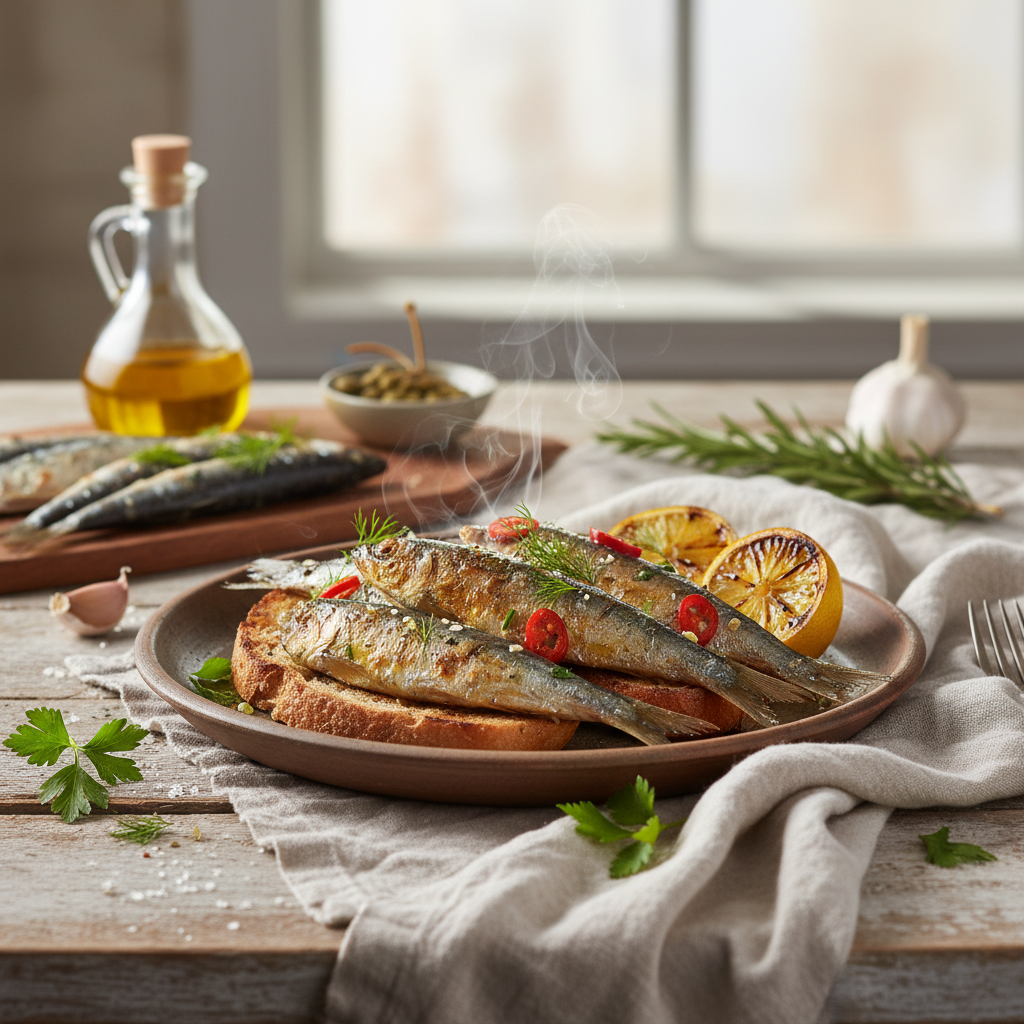
Don’t be afraid to cook with them! Fresh sardines, when available, are a true delicacy. Grilling or pan-frying fresh sardines with a simple seasoning of salt, pepper, and herbs (like parsley or oregano) brings out their delicate flavor and creates a crispy skin. They are often served whole, perhaps with a lemon wedge and a side of roasted vegetables. In Mediterranean cuisine, fresh sardines are frequently used in pasta dishes, often paired with ingredients like fennel, pine nuts, and raisins, creating a harmonious balance of sweet and savory flavors.
Even canned sardines can be incorporated into cooked dishes. They can be added to pasta sauces, tossed with warm grains like quinoa or couscous, or even used as a topping for homemade pizzas. Imagine a pizza topped with sardines, Kalamata olives, capers, and sun-dried tomatoes – a Mediterranean flavor explosion! For a quick and nutritious meal, try crumbling them into scrambled eggs or an omelet, perhaps with some spinach and feta cheese.
Embracing sardines in your diet is an easy and delicious way to boost your intake of essential nutrients while exploring new culinary horizons. They are an affordable, sustainable, and incredibly healthy food that deserves a regular spot on your plate. So, next time you’re at the grocery store, reach for that can of sardines – you might just discover your new favorite superfood.
Este conteúdo é publicado no BrasilMaravilhoso.com, site especializado em receitas culinárias práticas e confiáveis, com foco na culinária brasileira.
As receitas são desenvolvidas e revisadas pela Chef Letícia Mantoneli, que preza pela clareza no preparo, seleção cuidadosa dos ingredientes e resultados que funcionam no dia a dia. Todo o conteúdo é criado com atenção à qualidade, originalidade e boa experiência do leitor.
O BrasilMaravilhoso.com segue boas práticas editoriais, priorizando informações corretas, linguagem acessível e transparência, oferecendo conteúdos gastronômicos seguros e úteis para todos os públicos.
